
By Sports Bags · Published 11 September 2026 · 2 minute read
List the contents before choosing a size
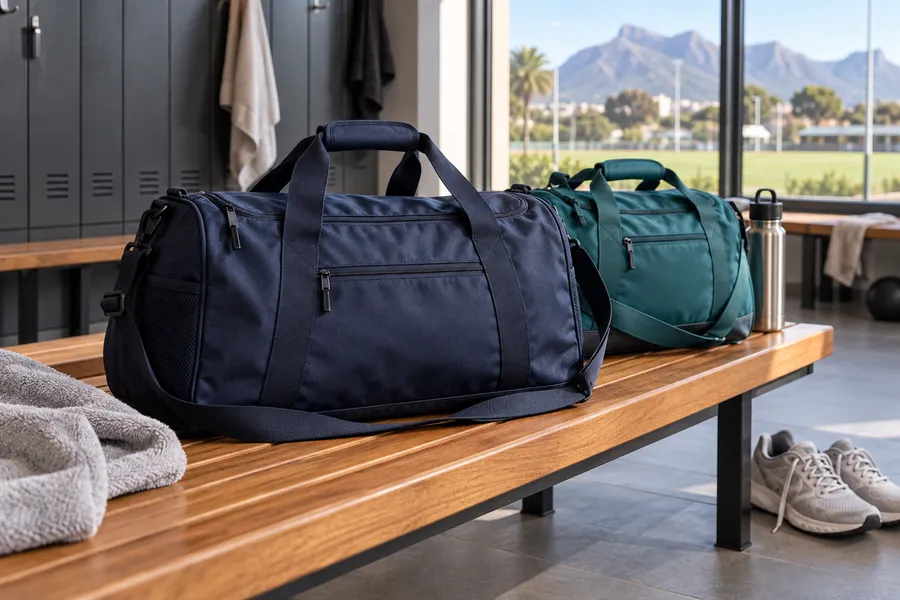
Gym bags may carry a change of clothing, shoes, a towel and small accessories. Duffel bags can also suit weekend or team travel, but the names overlap and do not define capacity. Write down the largest items first. Compare supplied dimensions and any stated capacity, and ask for missing measurements. A photograph of an empty bag cannot establish how comfortably it will hold a pair of shoes alongside clothing.
Inspect access and compartments
Think about which items should be easy to reach and whether you need separate storage. Do not assume a shoe pocket, wet compartment or bottle holder exists because the product is described as a sports bag. Read the individual features and check photographs against the description. Pocket closures, main opening and strap arrangement may matter more than a small difference in overall dimensions.
Consider the carrying routine
A short walk from a car and a longer public-transport journey place different demands on the way a bag is carried. Confirm handles and shoulder-strap details for the selected model. If the bag will be used for air travel, check the particular airline and fare rules against the actual bag measurements before purchase; a duffel description is not a cabin-baggage approval.
Add branding after the format is settled
For branded sports bags, send the product name and artwork together. A large panel may offer a useful logo position, but zips, seams and material affect the available method and area. Ask for an itemised quote covering bags, branding and delivery. For team orders, confirm colour quantities and the date the bags need to be distributed before approving production.